Upholstery cleaning Oak Hill Park homes Barnet: a practical guide for cleaner, healthier furniture
If your sofa has lost its fresh look, your dining chairs feel a bit tired, or the armchair in the corner has taken on everyday grime, you are not alone. Upholstery cleaning Oak Hill Park homes Barnet is one of those jobs people put off until a spill, pet accident, or stubborn odour makes it impossible to ignore. Truth be told, most fabric furniture needs more care than a quick vacuum and a hopeful spray of cleaner.
This guide explains what professional upholstery cleaning involves, why it matters in real homes, how the process works, and what to look for if you are comparing options in Oak Hill Park and the wider Barnet area. You will also find practical steps, mistakes to avoid, and a simple checklist you can use before booking. If you want a broader service overview while you read, the main upholstery cleaning service page is a useful place to start, and for specific problem fabrics or marks, the stain removal and pet stain and odour removal pages are worth a look too.
Let's face it: upholstery sits at the centre of daily life. Kids climb on it, pets nap on it, guests spill on it, and dust settles into it quietly over time. A proper clean does more than make furniture look brighter. It can help the room smell fresher, feel more comfortable, and last a lot longer.
Why Upholstery cleaning Oak Hill Park homes Barnet Matters
Upholstery is easy to overlook because it does not always look dirty in the same way a carpet does. But fabric fibres trap more than you think: skin flakes, dust, pollen, pet hair, cooking residue, drink spillages, and the everyday oils that transfer from hands and clothing. Over time, that build-up changes how furniture looks, smells, and even feels. A sofa can start to feel slightly flat or greasy long before anyone would call it obviously dirty.
In Oak Hill Park homes, furniture is often used heavily and lived on properly, which is exactly how it should be. Family rooms, lounge spaces, home offices with fabric chairs, and guest rooms all collect residue in different ways. A light-coloured armchair near a window, for example, may show dull patches from daylight and airborne dust, while a darker sofa can hide staining but still hold odours and body oils.
There is also a comfort factor. Clean upholstery tends to look better, smell better, and feel more inviting. If you have ever walked into a room after a deep clean and noticed that crisp, clean fabric smell, you will know what I mean. It is subtle, but it changes the whole space.
And then there is durability. Dirt particles act a bit like fine grit. Left in the fibres, they can wear the fabric down over time, especially on seating edges, armrests, and the front panels of sofas and chairs. Regular cleaning is not just cosmetic; it is protective.
For homes where the sofa is the main seating area, pairing upholstery care with professional carpet cleaning can make the whole room feel consistently fresher rather than half-done. That balance matters more than people often think.
How Upholstery cleaning Oak Hill Park homes Barnet Works
Professional upholstery cleaning is usually a careful, fabric-led process rather than a one-size-fits-all wash. The cleaner should first inspect the furniture, identify the material, check for problem areas, and decide on the safest method. That first look matters. A cotton blend, velvet, wool mix, synthetic fibre, or leather-like material all behave differently, and using the wrong approach can lead to shrinkage, fading, marking, or over-wetting.
In practical terms, a standard clean often follows a sequence like this:
- Inspection and identification of the fabric type, construction, and any existing damage.
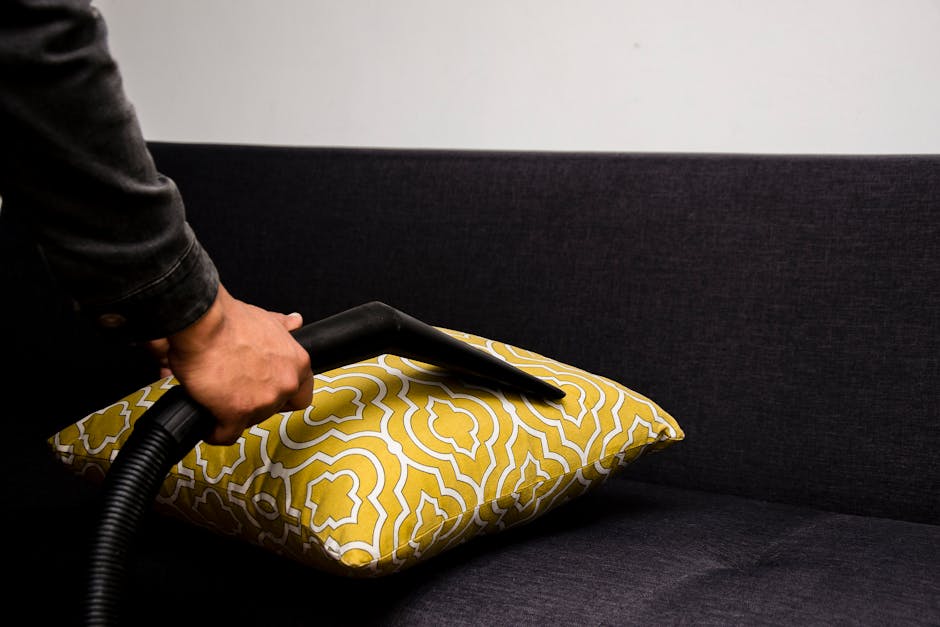
- Dry vacuuming to remove loose dust, crumbs, pet hair, and grit from seams and cushions.
- Spot treatment for stains, marks, or odours using products suitable for the fabric.
- Main cleaning stage, which may involve low-moisture extraction, steam-based cleaning, or another fabric-safe method.
- Controlled drying to reduce dampness and help the fabric keep its shape.
- Final checks to see whether any stains need a second pass or more targeted treatment.
That sounds simple on paper, but the judgement sits in the detail. Too much moisture can leave furniture wet for far too long. Too much agitation can roughen fibres. Too strong a chemical can leave a sticky residue that attracts dirt later. A good clean is careful, not aggressive.
On many modern fabrics, professional steam-based cleaning methods or hot water extraction techniques can lift embedded soil effectively, but only if the fabric is suitable. Some upholstery benefits more from low-moisture methods. Others need targeted stain work first. That is why an inspection is not a box-ticking exercise; it determines the whole result.
Key Benefits and Practical Advantages
There is a temptation to think upholstery cleaning is mostly about appearances. In reality, the benefits are broader and a bit more useful than that.
- Improved appearance: Fabrics often regain colour depth and look less tired.
- Reduced odours: Everyday smells from cooking, pets, and general use can ease noticeably.
- Better hygiene: Removing embedded grime helps create a cleaner seating area for the whole household.
- Longer fabric life: Regular maintenance helps reduce abrasive dirt build-up.
- More comfortable rooms: Clean furniture changes the feel of a room almost immediately.
- Better presentation: Useful if you are hosting guests, preparing to sell, or simply tired of looking at old stains every evening.
One practical advantage often missed is that clean upholstery makes it easier to judge the real condition of your furniture. Sometimes the fabric is in better shape than it looks. Once the surface dirt comes away, you may realise the sofa does not need replacing after all. That is a nice surprise, to be fair.
It can also reduce the need for repeated DIY spot cleaning. When people keep rubbing the same area with random products, they often spread the mark or flatten the fibres. A proper clean resets things instead of patching over them.
If you are dealing with a mixed household of sofas, chairs, rugs, and curtains, it may help to think in terms of a whole-room refresh. A matching clean can include sofa cleaning, rug cleaning, and even curtain cleaning where appropriate, so the room smells and looks consistent rather than just one item being revived.
Who This Is For and When It Makes Sense
Upholstery cleaning is useful for far more people than the "obvious spill" crowd. If any of the situations below sound familiar, a professional clean is likely worth considering.
- Families with children who use the sofa as a snack station, climbing frame, and viewing platform all in one.
- Pet owners dealing with fur, drool, muddy paws, or the occasional accident.
- Homeowners preparing for guests or hosting events where the living room needs to look sharp.
- Landlords and tenants wanting to improve the condition of furnished property items between lets.
- Anyone with allergies or sensitivity to dust who wants a cleaner seating environment.
- People noticing odours that do not go away with ordinary airing and vacuuming.
It also makes sense after a specific incident. Coffee spill on a pale armchair? Food grease on a recliner? A pet sleeping on the same seat every night? Those are all common reasons to book. But honestly, you do not have to wait for a crisis. Preventive cleaning is usually easier and cheaper than trying to rescue a badly neglected piece later.
For commercial settings or rental properties where fabric furniture sees heavier use, a more regular maintenance plan can be smart. If that is your situation, the commercial carpet cleaning page gives a sense of the maintenance-minded approach many property managers prefer, and the same logic often applies to upholstery too.
Step-by-Step Guidance
If you want to understand what a good upholstery clean should look like, here is the process in plain English.
- Check the fabric label or care code
Some items tolerate water-based cleaning, some need solvent-based care, and others are more delicate. If the label is missing, a professional should test first. - Clear the area
Move cushions, throws, small tables, and anything else that blocks access. A little prep saves time and lets the cleaner reach seams and edges properly. - Vacuum thoroughly
This is not a quick once-over. Seams, piping, under cushions, and back panels all collect debris. - Pre-treat visible stains
Stains often need targeted treatment before the main clean. Trying to blast them all at once is usually where DIY goes wrong. - Choose the right cleaning method
Delicate fabric? Low moisture may be better. Robust synthetic? Hot water extraction may be suitable. Fabric type decides, not habit. - Control moisture during cleaning
Too much water is a classic mistake. Controlled application helps avoid long drying times and marks. - Allow proper drying time
Open windows if appropriate, use airflow where safe, and do not sit on the furniture too early. It is irritating, yes, but worth it. - Inspect once dry
Some marks become visible only after drying. A second check is normal and sensible.
A useful rule of thumb: if you would hesitate to wash a garment in a certain way, think twice before using the same approach on upholstery. Furniture fabric can be even less forgiving than clothing because padding, glue, stitching, and shape all come into play.
Expert Tips for Better Results
After enough upholstery jobs, the same few details keep making the difference between "better" and "properly good". Here are the ones worth remembering.
- Act quickly on spills, but gently. Blot first. Do not scrub like you are trying to erase evidence from a crime drama.
- Test cleaning products in a hidden spot. This is basic, but people skip it all the time.
- Use white cloths for blotting. Coloured cloths can transfer dye.
- Watch for water rings. Uneven wetting can leave a halo effect on some fabrics.
- Vacuum regularly between deep cleans. This helps prevent grit from working into the fibres.
- Rotate cushions if possible. It helps wear happen more evenly.
- Be cautious with supermarket sprays. Some leave residues that make the fabric attract dirt faster.
One of the quieter wins is odour management. If a room smells faintly stale even after cleaning the floor, the upholstery may be the source. That is especially common in homes with pets, older soft furnishings, or heavy cooking nearby. A well-done fabric clean can remove that background smell instead of masking it.
Also, if a piece is valuable, vintage, or delicately upholstered, the safest option is usually the least dramatic one. The goal is not to make the fabric "squeaky clean" in a harsh sense; it is to refresh it without stressing it. Small difference, big outcome.
Common Mistakes to Avoid
A lot of upholstery damage happens because someone meant well. That is the awkward bit. Here are the most common missteps.
- Using too much water: This can soak the filling, slow drying, and sometimes distort the fabric.
- Rubbing stains aggressively: That can push the spill deeper and rough up the pile.
- Using the wrong chemical: A cleaner that works on one fabric may damage another.
- Skipping a test patch: Never assume colourfastness.
- Ignoring the care code: The label is there for a reason.
- Trying to fix old stains with more heat: Heat can set certain stains, especially protein-based marks.
- Putting cushions back too soon: Damp fabric can smell musty and may compress unevenly.
There is also a timing mistake: waiting too long. A fresh spill is often much easier to treat than a mark that has been walked past for six months. If a stain has already dried in, the job is still possible in many cases, but the process becomes more delicate and less predictable.
For odour or staining linked to pets, using the right approach matters even more. A generic product might hide the smell for an hour, then it comes back. Proper treatment usually needs source removal, cleaning, and drying in the right order.
Tools, Resources and Recommendations
You do not need a van full of equipment to maintain your furniture, but a few sensible tools make home care much easier.
- Vacuum with upholstery attachment: Good for routine dust and debris removal.
- Soft brush: Useful for lifting hair and loosening dust before vacuuming.
- White microfibre cloths: Helpful for blotting spills without adding colour transfer.
- Small spray bottle of plain water: Sometimes useful for very light dampening, but only with care.
- Fabric-safe spot treatment: Best used sparingly and tested first.
- Fans or open airflow: Useful for drying, provided it is safe and practical.
If you are trying to decide between a DIY refresh and professional cleaning, ask yourself three things: how valuable is the furniture, how bad is the staining, and how much drying time can the household handle? That usually clarifies things fast. For older or expensive pieces, cautious professional care is often the better bet.
When you are comparing service providers, it is also sensible to review practical matters like pricing and quotes, plus the company's approach to insurance and safety. Those details do not sound glamorous, but they matter when someone is working in your home around soft furnishings, flooring, and other valuables.
If you care about how waste is handled or what happens to packaging and cleaning materials, the recycling and sustainability page can also help you understand the company's wider approach. That sort of thing matters more to many households now, and quite rightly so.
Law, Compliance, Standards, or Best Practice
For a domestic upholstery clean, the main things to care about are safety, product suitability, and reasonable handling of your home and belongings. There is no dramatic legal drama here, but there are still sensible standards to follow.
In the UK, professional cleaners should work with care around chemicals, wet floors, electrical equipment, and ventilation. They should also be upfront about what they can and cannot promise. If a fabric is delicate, age-worn, or already damaged, a trustworthy cleaner will say so rather than pretending every stain is guaranteed to vanish. That honesty is part of good practice.
From a customer point of view, it is smart to check terms, security, and complaint procedures before booking. Those pages are boring until you need them, then suddenly they are not. If you want to understand how a business handles admin and customer care, the terms and conditions and complaints procedure pages are the kind of background information that builds confidence.
There is also a simple best-practice principle: a cleaner should protect the home as well as the furniture. That means careful movement, attention to surrounding flooring, and a tidy finish. You should not be left with damp footprints, strong lingering smells, or guesswork about drying.
For households that want a service provider with clear business information, the about us page is another sensible place to learn more before booking. Not because it is flashy, just because knowing who you are letting into your home matters.
Options, Methods, or Comparison Table
There is more than one way to clean upholstery, and the right choice depends on fabric, soil level, and drying constraints. Here is a simple comparison.
| Method | Best for | Strengths | Watch-outs |
|---|---|---|---|
| Vacuum-only maintenance | Light upkeep between proper cleans | Fast, safe, low risk | Will not remove embedded dirt or stains |
| Spot cleaning | Small fresh marks | Targets one problem area | Can spread stains if overused or scrubbed |
| Low-moisture cleaning | Delicate fabrics and quicker drying needs | Gentler on sensitive materials | May need more careful pre-treatment |
| Hot water extraction / steam-style cleaning | Durable fabrics with deeper soil | Good at lifting embedded grime | Not suitable for every fabric and can over-wet if handled badly |
| Specialist stain and odour treatment | Pets, food spills, recurring smells | More focused than general cleaning | May need more than one treatment for old problems |
The comparison is fairly straightforward. If the furniture is robust and the issue is deep-set grime, a stronger clean may be appropriate. If the fabric is delicate or the room needs to be back in use quickly, a gentler method may make more sense. There is no one magic answer, frustrating as that can be.
In many homes, the best result comes from combining methods: vacuuming first, stain pre-treatment next, then the main clean, then careful drying. Simple sequence, good outcome. Usually.
Case Study or Real-World Example
A typical Oak Hill Park home scenario might look like this: a family sofa in a busy living room has picked up drink marks on one seat cushion, darkening along the armrests, and a faint dog smell that becomes noticeable in the evening. At first glance, the sofa looks "just a bit old". In practice, the issue is layered dirt, small spills, and odour trapped in the fibres.
The sensible approach would start with a fabric inspection, because the wrong method could flatten the pile or leave the cushions unevenly damp. The cleaner would then vacuum the sofa thoroughly, paying attention to seams and under cushions. After that, specific marks would be pre-treated and the whole piece would be cleaned using the safest suitable method for the fabric.
What changes most in that sort of job is not only the colour of the upholstery but the atmosphere in the room. The sofa sits more lightly in the space afterwards. The room smells fresher. And the family stops doing that thing where everyone avoids sitting on the marked seat, which, let's be honest, happens more than people admit.
In some homes, the cleaning job reveals that the upholstery is actually in better shape than expected. In others, it shows that one area needs a second pass or that the cushion filling has its own issue. Either way, it gives you real information. That is valuable on its own.
Practical Checklist
Use this quick checklist before booking or before trying any cleaning yourself.
- Check the fabric care label or note whether the fabric is delicate.
- Identify the main issue: stain, odour, dust, pet hair, or general dullness.
- Decide whether the piece needs a light refresh or a deeper treatment.
- Clear the area around the furniture.
- Take a photo of any stubborn marks before cleaning, just in case.
- Test any product on a hidden patch first.
- Use blotting rather than scrubbing for fresh spills.
- Allow enough drying time before using the furniture again.
- Check whether the whole room could benefit from related cleaning too.
- Review the provider's service information, safety details, and quote process before confirming.
If you are dealing with both furniture and mattresses in the same room, it may be sensible to plan them together. The mattress cleaning page is relevant if you are refreshing a guest room or tackling a general bedroom reset. Small actions, but they add up fast.
Get a free quote today and see how much you can save.
Conclusion
Upholstery cleaning in Oak Hill Park homes Barnet is not just a nice-to-have. Done properly, it protects your furniture, improves the feel of your rooms, and helps keep everyday life a little fresher and easier. The key is choosing the right method for the fabric, handling stains carefully, and making sure the clean is thorough without being harsh.
If you remember only one thing, make it this: good upholstery care is gentle, specific, and regular. Not dramatic. Not rushed. Just careful work that respects the material and the home around it.
For homeowners in Barnet who want reliable support, clear service information, and a practical approach, it pays to look beyond the surface and choose the cleaner who pays attention to the details. That is where the real value lives.
Sometimes the best home improvements are the ones you sit on every day.
Frequently Asked Questions
How often should upholstery be professionally cleaned?
It depends on use, pets, children, and fabric type. Many homes benefit from a professional clean every 12 to 24 months, but high-use sofas may need attention sooner.
Can upholstery cleaning remove old stains?
Often, yes, but not always completely. Old stains can be more difficult because they may have set into the fibres. A good cleaner will assess the stain carefully and be honest about the likely result.
Is steam cleaning safe for all upholstery?
No. Steam-style or hot water extraction cleaning suits some durable fabrics, but not every material. Delicate fabrics, velvet, and certain natural fibres may need a gentler method.
How long does upholstery take to dry?
Drying time varies by fabric, cleaning method, airflow, and room conditions. Some pieces dry fairly quickly, while others may need several hours before they are ready to use again.
Will cleaning remove pet odours as well as stains?
It can, especially when the odour is coming from the fabric surface or light contamination. Stronger or deeper pet odours may need specialist treatment and careful source removal.
Should I vacuum upholstery before a cleaner arrives?
If you can, yes. It saves time and removes loose debris. That said, a professional should still inspect and vacuum the furniture properly as part of the service.
What fabrics are hardest to clean?
Delicate natural fibres, some velvets, antique fabrics, and upholstery with loose dyes or fragile backing can be harder to treat safely. These need testing and a cautious approach.
Can upholstery cleaning help with allergies?
It may help reduce dust, pet hair, and other allergens trapped in the fabric. It is not a medical treatment, but a cleaner seating environment can make a room feel fresher and easier to live with.
Is DIY upholstery cleaning worth trying?
For a small fresh spill on a suitable fabric, possibly yes. For stubborn stains, odours, or valuable furniture, professional cleaning is usually the safer choice. DIY can go wrong quickly if too much water or the wrong product is used.
How do I know if a cleaner is trustworthy?
Look for clear service information, transparent quotes, sensible safety practices, and straightforward policies. It also helps when the company explains what it can and cannot do, rather than promising miracles.
What should I do before the cleaner arrives?
Clear the area, secure pets, remove loose items, and note any stains you want checked first. A little preparation makes the visit smoother and often improves the result.
Can upholstery cleaning damage my sofa?
It can if the wrong method is used, especially on delicate fabrics. That is why fabric inspection and testing matter. A careful cleaner will choose a method that suits the material, not force a generic process onto it.