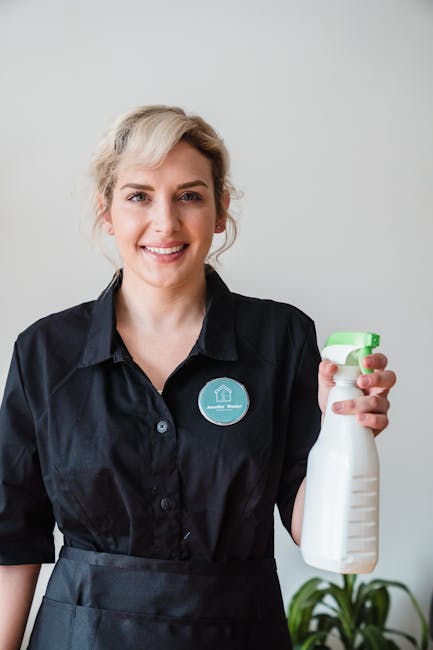
Domestic cleaning guide Underhill Estate Barnet
If you live in Underhill Estate, Barnet, keeping a home genuinely clean can feel like a moving target. One week it is muddy shoes by the hallway, the next it is pet hair on the sofa, and before you know it the kitchen splashback needs attention again. This Domestic cleaning guide Underhill Estate Barnet is designed to make the whole job simpler, more organised, and less of a weekend drain.
Whether you are trying to stay on top of a busy family home, preparing for visitors, or deciding when to call in professional help, the basics are the same: clean methodically, prioritise the right areas, and use the right approach for each surface. That sounds straightforward. In practice, it usually is not. So let's make it practical, local, and useful.
Why Domestic cleaning guide Underhill Estate Barnet Matters
A good home-cleaning routine is not just about appearance. It affects how your space feels, how long surfaces last, and how easy it is to stay calm in the middle of everyday life. In an estate setting like Underhill Estate, homes often face the same recurring issues: busy entrances, shared outdoor dust, high-footfall carpets, and the usual build-up from family life.
Regular domestic cleaning helps you stay ahead of dirt instead of chasing it. That matters because once grime settles into fabric, grout, or carpet fibres, cleaning takes longer and the result is rarely as satisfying. A quick wipe today is usually easier than a rescue job next month. Truth be told, that is where most people lose the battle.
It also matters for comfort. A home that smells fresh, looks tidy, and feels manageable has a different energy to it. You notice it when you walk through the door. The hall feels brighter. The sofa looks cared for. The kitchen stops looking "half-done". Small thing, big difference.
For readers comparing home-cleaning support or looking beyond DIY, it can also help to understand the wider range of specialist services available, such as carpet cleaning, sofa cleaning, and upholstery cleaning. These are often the areas where domestic cleaning routines need extra backup.
How Domestic cleaning guide Underhill Estate Barnet Works
A sensible domestic cleaning system works in layers. First, you handle the visible mess. Then you deal with the hygiene-sensitive areas. Finally, you reset the home so the next clean is easier. That is the real logic behind an effective household routine.
Most homes benefit from three levels of cleaning:
- Daily maintenance: wiping kitchen surfaces, clearing clutter, quick bathroom rinses, tidying floors.
- Weekly cleaning: vacuuming, mopping, dusting, changing bedding, cleaning sinks and toilets.
- Periodic deep cleaning: skirting boards, behind appliances, upholstery, carpets, curtains, mattresses, and stain hotspots.
In a practical sense, the job is less about cleaning everything equally and more about cleaning what matters most, when it matters most. A hallway carpet after wet weather will need a different response from a bedroom blind or a laminate kitchen floor. One-size-fits-all cleaning does not really exist. It just sounds tidy on paper.
For example, vacuuming a room is useful, but it does not solve the deep-down dust and debris that settle into fibres. That is where deeper treatment, steam methods, or spot stain removal can make a meaningful difference. If you have fabrics that trap odours or marks, it is worth knowing that services like pet stain and odour removal, stain removal, and steam carpet cleaning may be more effective than repeated surface scrubbing.
Key Benefits and Practical Advantages
The obvious benefit is a cleaner home. The less obvious one is control. When your cleaning routine is steady, the whole household runs a bit smoother. You are not scrabbling to tidy ten minutes before someone arrives, and you are less likely to let small issues turn into expensive ones.
- Better hygiene: regular cleaning reduces the build-up of dust, crumbs, grease, and bathroom residue.
- Longer life for furnishings: carpets, rugs, curtains, and sofas hold up better when looked after properly.
- Less stress: a clear routine lowers the mental load. You know what gets done and when.
- Improved indoor feel: fresher rooms tend to smell cleaner and feel more comfortable.
- Smarter spending: prevention usually costs less than last-minute repairs or replacements.
There is also a practical local benefit. Barnet homes, like many London homes, often deal with seasonal dirt: damp shoes in winter, pollen and open-window dust in warmer months, and the endless combination of traffic film, cooking residue, and family mess. Not glamorous, but absolutely normal.
Expert summary: The best domestic cleaning routine is not the busiest one. It is the one you can realistically keep up with, week after week, without burning out.
Who This Is For and When It Makes Sense
This guide is useful for a wide range of households, but especially if any of these sound familiar:
- You are short on time and need a cleaner system rather than random cleaning bursts.
- You have children, pets, or both, and the home seems to reset itself into a mess by tea time.
- You are moving in, moving out, or preparing a property for guests.
- You want to maintain carpets, upholstery, and soft furnishings before they become visibly worn.
- You are comparing DIY cleaning with professional domestic support.
It also makes sense if you are trying to decide which jobs are worth outsourcing. Some tasks are easy enough to do yourself. Others, like deep carpet cleaning or cleaning a stained mattress, are often better handled with specialist equipment. If your main concern is a specific surface, it can help to explore dedicated services such as mattress cleaning, rug cleaning, or curtain cleaning.
Sometimes the trigger is simple. A guest is staying over. The hall smells a bit musty. Or you notice the sofa has become, well, a little too "lived in". That is usually the moment people start searching for better systems. Fair enough.
Step-by-Step Guidance
Here is a practical way to approach domestic cleaning without turning it into a never-ending chore.
- Start with the most used rooms. Focus on kitchen, bathroom, hallway, and living room first. These spaces show mess quickly and affect the rest of the home.
- Declutter before you clean. Put away shoes, toys, loose papers, and laundry first. Cleaning around clutter wastes energy and time.
- Work from top to bottom. Dust higher surfaces before vacuuming or mopping floors. Otherwise, you clean the floor twice. Annoying, but avoidable.
- Use the right method for the surface. A microfibre cloth, vacuum, steam treatment, or gentle spot product each has its place. Do not attack every material the same way.
- Tackle stains quickly. Blot, do not scrub. Scrubbing usually pushes marks deeper and can damage fibres.
- Finish with airflow. Open windows where safe and practical, especially after kitchen or bathroom cleaning.
- Review what still needs attention. If carpets, upholstery, or curtains still look dull, that is often a sign they need specialist treatment rather than another round of wiping.
A good rule of thumb: if you have already cleaned the same area twice and it still does not look right, stop and reassess. You may be dealing with embedded dirt, not surface dirt.
For tougher fabric jobs, the right service can save time and improve results, particularly where fibres trap dust or odour. That is one reason many households combine routine cleaning with periodic steam carpet cleaning or targeted stain work.
Expert Tips for Better Results
These are the small details that tend to separate an okay clean from a really solid one.
- Keep one cloth per task. Bathroom cloths should not wander into the kitchen. Simple, but worth saying.
- Vacuum slowly. A rushed pass lifts crumbs, sure, but it misses embedded grit. Slow and steady wins here.
- Spot-test fabric care products. Especially on upholstery, rugs, and curtains. Hidden areas are your friend.
- Work in zones. Clean one room fully rather than scattering effort across the whole house.
- Protect high-wear areas. Entry mats and regular vacuuming near doors go a long way in estate homes.
- Deal with odour sources, not just the smell. A room spray covers things for a minute. It does not solve the source.
One small but useful habit: keep a "deep-clean list" on your phone or fridge. It sounds slightly dull, yet it stops those awkward forgotten jobs from lingering for months. And yes, months happen. More often than we like to admit.
If eco-conscious cleaning matters to you, you may also want to think about product choice, water use, and textile care. The company's recycling and sustainability approach may be relevant if you are looking for a greener way to manage household cleaning routines.
Common Mistakes to Avoid
Most cleaning mistakes are not dramatic. They are just small habits that quietly make the job harder.
- Using too much product: more does not always mean cleaner. It can leave residue behind.
- Ignoring fabric care labels: upholstery and curtains can be damaged by the wrong method.
- Scrubbing stains aggressively: this often spreads the mark or frays fibres.
- Cleaning only what you can see: behind appliances, under beds, and along skirting boards matter too.
- Letting moisture linger: damp areas can develop musty smells or worse if not dried properly.
- Trying to do everything in one go: you are not failing if the house needs staged cleaning. That is normal.
A common one in family homes is focusing all the effort on "visible clean" and leaving the hidden grime untouched. The place looks fine for an hour. Then the smell, dust, or dullness comes straight back. Frustrating, but fixable.
When a stain or odour keeps returning, there is usually a cause deeper in the material. That is the point where dedicated pet stain odour removal or professional fabric care may be worth considering.
Tools, Resources and Recommendations
You do not need a cupboard full of gadgets. A small, sensible toolkit is usually enough for most homes.
| Tool or item | Best for | Why it helps |
|---|---|---|
| Microfibre cloths | Dusting, wiping, polishing | Trap dust well and reduce streaks |
| Vacuum cleaner with attachments | Floors, edges, upholstery | Reaches corners, stairs, and soft furnishings |
| Mop and bucket or spray mop | Hard floors | Makes regular floor maintenance easier |
| Gentle spot treatment | Fresh stains | Useful when used correctly and sparingly |
| Steam or extraction equipment | Deep textile cleaning | Better for embedded dirt in carpets and some fabrics |
For many households, the most useful "resource" is not a product at all. It is knowing when to stop DIY and call for proper help. That tends to be true with carpet fibres, mattresses, sofas, and delicate curtains.
If you are comparing options and want a sense of scope before booking, the company's pricing and quotes information can help you understand how domestic cleaning requests are usually assessed. If you want reassurance around service standards, look at health and safety policy and insurance and safety as well.
Law, Compliance, Standards, or Best Practice
For home cleaning, the main thing is to follow sensible UK best practice: use products safely, store them properly, read label instructions, and avoid mixing chemicals. That last one is a big one. Bleach and other strong cleaners can create dangerous fumes when combined with the wrong product. Not worth the risk.
If you hire a cleaning provider, you would normally expect a few basics: clear communication, respectful access arrangements, care around valuables, safe handling of equipment, and appropriate public liability cover. You should also expect the company to follow its own published safety and complaints procedures where relevant. Those are practical trust signals, not just paperwork.
For customers who care about fair treatment and responsible business practices, pages such as terms and conditions, payment and security, and privacy policy are worth checking. They help you understand what to expect before anyone steps through the front door.
It is also normal, in the UK, to expect household cleaning work to be carried out with care around electrical items, slips, and wet surfaces. In other words, a cleaning visit should leave your home cleaner, not create a new problem. Common sense, really, but it matters.
Options, Methods, or Comparison Table
People often compare DIY cleaning with professional domestic cleaning, but the better comparison is usually: what job are you trying to solve? A quick comparison helps.
| Approach | Best for | Strengths | Limits |
|---|---|---|---|
| Routine DIY cleaning | Daily and weekly upkeep | Low cost, flexible, immediate | Can miss embedded dirt and stubborn stains |
| Deep home cleaning | Periodic refreshes | More thorough, resets neglected areas | Requires more time and effort |
| Specialist fabric cleaning | Carpets, sofas, rugs, curtains, mattresses | Targets dirt below the surface | Usually not something to improvise with |
| Targeted stain treatment | Marks, spills, pet accidents | Useful for localised issues | Needs the right method to avoid spread or damage |
If your home mainly needs maintenance, DIY is enough. If the issue is dull carpets, lingering smells, or fabric that just will not come back to life, specialist services become more sensible. The same goes for rooms that see constant use. The hall, the landing, the family sofa. Those are the workhorses.
Case Study or Real-World Example
Here is a realistic example. A small family in Underhill Estate keeps up with kitchen and bathroom cleaning fairly well, but their hallway carpet and living room sofa start to look tired by late autumn. Shoes track in moisture, the dog curls up on the sofa after walks, and the house still smells "fine" on the surface but not quite fresh.
They begin with a reset: decluttering, vacuuming edges, wiping skirting boards, and cleaning the kitchen properly from top to bottom. That improves the visible cleanliness, but the hallway still looks flat and the sofa still carries a faint doggy smell after rain-heavy days. So they move from routine cleaning to targeted treatment.
The carpet gets a deeper clean, the sofa is treated as upholstery rather than just fabric, and the worst marks are handled separately. The result is not magic. It is better than magic, actually. It is repeatable. The home stays cleaner for longer because the hidden dirt was addressed, not just the obvious mess.
That kind of result is common. Not every home needs a full reset, but many need one or two problem areas brought back under control so the rest of the routine can work properly.
Practical Checklist
Use this checklist to keep domestic cleaning steady rather than frantic.
- Clear clutter before cleaning starts
- Work from upper surfaces down to floors
- Vacuum carpets, rugs, edges, and under furniture regularly
- Clean kitchen touchpoints: handles, counters, sinks, splash zones
- Sanitise bathroom surfaces without leaving residue behind
- Wash or freshen soft furnishings on a sensible schedule
- Spot-test any new product on hidden fabric first
- Address stains quickly by blotting, not scrubbing
- Allow fabrics and hard floors to dry properly
- Book specialist help for carpets, upholstery, rugs, or mattresses when DIY is no longer enough
A quick sanity check helps too: if the same area keeps letting the whole home down, that is the area to prioritise next time. No need to fight every corner at once.
Get a free quote today and see how much you can save.
Conclusion
A strong domestic cleaning routine in Underhill Estate, Barnet is less about perfection and more about rhythm. Clean the right things often, the awkward things properly, and the difficult things with the right support. That balance saves time, protects your home, and makes the whole place feel easier to live in.
If you take one thing from this guide, let it be this: small, regular effort beats heroic cleaning marathons almost every time. And when carpets, upholstery, rugs, or mattresses need deeper attention, there is no shame in stepping up from routine cleaning to specialist care. In fact, that is usually the smart move.
Start with the rooms you use most, keep your system realistic, and do not wait until everything looks exhausted. Your home will thank you for it, quietly but clearly.
Frequently Asked Questions
What does a domestic cleaning guide for Underhill Estate Barnet actually cover?
It covers the practical side of keeping a home clean: daily upkeep, weekly routines, deep cleaning, stain handling, and deciding when specialist help is worth it. In short, the goal is to make home cleaning more manageable and less guesswork-driven.
How often should I deep clean my home?
That depends on how busy the household is, but many homes benefit from a deeper clean every few weeks or seasonally. Kitchens, bathrooms, carpets, and upholstery often need more attention than the average surface.
Is it better to clean carpets myself or book a professional service?
For light maintenance, vacuuming and spot care are fine. For embedded dirt, dull fibres, or repeated stains, professional carpet cleaning is usually more effective. The same goes for sofas and rugs that have seen better days.
What is the best way to remove a fresh stain?
Blot the spill gently with a clean cloth, working from the outside in. Avoid scrubbing, because that usually spreads the stain or pushes it deeper into the material.
How do I stop my home from smelling stale?
Find the source rather than masking it. Regular ventilation, vacuuming soft furnishings, cleaning bins and drains, and treating odour-prone fabrics properly usually help more than sprays alone.
Are steam cleaning and deep cleaning the same thing?
Not exactly. Deep cleaning is a broad term for a thorough reset, while steam cleaning is a specific method often used for carpets and some fabric surfaces. Steam can be useful, but it is not suitable for every material.
Which parts of the home are easiest to overlook?
Skirting boards, behind radiators, under beds, light switches, soft furnishings, and the edges of carpets. These areas do not shout for attention, but they quietly affect how clean the home feels.
Can regular domestic cleaning damage furniture or fabrics?
Yes, if the wrong products or techniques are used. Too much moisture, harsh chemicals, or aggressive scrubbing can damage upholstery, curtains, and carpet fibres. Always test first where possible.
What should I look for if I am comparing cleaning services?
Look for clear communication, sensible pricing, transparent policies, and evidence that the company treats safety and customer care seriously. Pages such as pricing, terms, and insurance information are useful for that reason.
How can I keep a busy household clean without spending all weekend on it?
Break the job into smaller tasks. Do a little each day, keep the high-use rooms on a tighter schedule, and reserve bigger jobs for monthly or seasonal resets. It is much easier to stay on top of than recover from a giant mess.
When is a mattress or sofa due for professional cleaning?
When it starts holding odours, stains, or a general dullness that regular vacuuming cannot fix. If sleep or comfort is affected, or if spills have soaked through, specialist cleaning is usually the sensible next step.
How do I decide whether a room needs cleaning or replacement of items?
If the item is structurally fine but looks tired, cleaning is often worth trying first. If fabric is badly worn, torn, or permanently damaged, replacement may be more practical. The tricky bit is knowing which side of that line you are on.