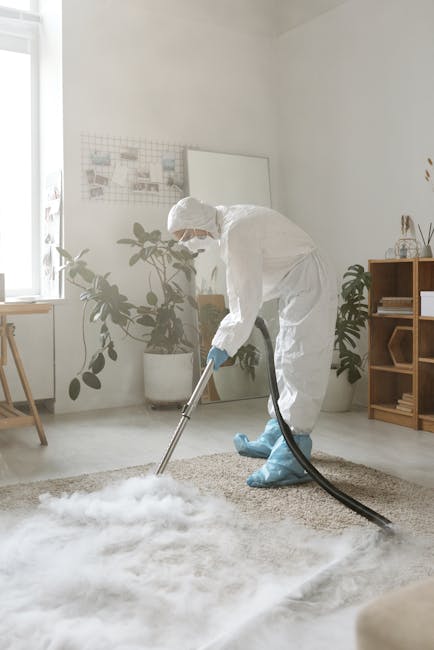
Carpet cleaning near High Barnet station: a practical local guide to cleaner, fresher floors
If you are looking into carpet cleaning near High Barnet station, chances are you want a straightforward answer: who can clean properly, how the process works, what it should cost, and whether it is worth doing now rather than later. Fair question. A tired carpet can make an otherwise tidy home feel dull, and in a busy stretch like High Barnet, with boots, commuting footfall, pets, kids, and the odd coffee spill, carpets pick up grime faster than people expect.
This guide walks you through the practical side of getting carpets cleaned near High Barnet station. You will find clear explanations of the main cleaning methods, where professional service adds real value, what to ask before you book, and how to avoid the common mistakes that lead to poor results or sticky residues. There is also a comparison table, a checklist, a real-world example, and a proper FAQ section so you can make a calm, informed decision.
Truth be told, carpet cleaning is one of those jobs that sounds simple until you see the difference a well-done clean makes. The room smells better. The pile feels softer. The place just feels looked after.
Why carpet cleaning near High Barnet station matters
High Barnet station is a genuine commuter point, so local homes and small businesses often see a mix of outdoor dirt, damp shoes, dust, and everyday wear. That matters because carpet fibres hold on to particles you cannot always see. A carpet can look fine at first glance and still carry grit, allergens, pet dander, and old spill marks deep in the pile. Over time, that build-up can make a room feel less hygienic and less welcoming.
It also matters for the carpet itself. Dirt works like sandpaper. Every step grinds particles into the fibres and gradually flattens the pile. You notice it most in hallways, living rooms, stairs, and office entrances. To be fair, once a carpet has reached that stage, vacuuming alone rarely brings it back.
There is also the location factor. Properties near a station often have tighter routines, smaller windows for appointments, and more demand for flexible scheduling. A local service can be useful simply because it is easier to fit around your day. That may sound minor, but when you are juggling trains, work, and family life, minor becomes important quickly.
Expert summary: If a carpet near a station sees repeated footfall, the best time to clean it is before the dirt becomes embedded. Early cleaning is usually easier, cheaper in the long run, and kinder to the carpet.
If you want to understand the broader service first, you may also find the main carpet cleaning service page useful, especially if you are comparing methods or planning more than one room.
How carpet cleaning near High Barnet station works
Professional carpet cleaning is not just "spray and scrub." A proper job usually starts with inspection. The cleaner checks the fibre type, the age of the carpet, the level of soil, and any problem stains or odours. That matters because wool, synthetic fibres, blends, and delicate rugs all respond differently to moisture, heat, and cleaning chemistry.
From there, the usual process is:
- Dry soil removal - vacuuming or pre-extraction to lift loose grit first.
- Pre-treatment - a suitable cleaning solution is applied to break down soil and spots.
- Agitation - light brushing or fibre work helps the solution reach deeper contamination.
- Extraction or rinsing - the loosened dirt is removed, typically with hot water extraction or another method suited to the carpet.
- Detail work - stain treatment, edge cleaning, or deodorising if required.
- Drying advice - airflow, ventilation, and sensible aftercare to help the carpet dry evenly.
The exact method depends on the carpet and the situation. A heavily soiled hallway in a family home will need a different approach from a lightly marked office carpet. And a stair carpet, let's face it, is often a bit of a beast because it traps dirt in awkward angles and gets the most contact.
For example, many customers near station areas ask about steam cleaning. If that is your main interest, the dedicated steam carpet cleaning page can help you compare what steam-style cleaning usually involves versus lower-moisture or specialist treatments.
Some homes also need help with adjacent items such as sofas, rugs, or upholstery, especially when one room is being refreshed. In that case, linked services like sofa cleaning, rug cleaning, and upholstery cleaning can be relevant if you are planning a wider clean rather than a one-off carpet job.
Key benefits and practical advantages
The obvious benefit is that carpets look cleaner. But the practical gains go further than appearance. A professionally cleaned carpet can feel softer underfoot, hold less dust at the surface, and make a room smell fresher without heavy fragrance masking the problem. That last bit is worth saying because some products just perfume dirt. Not ideal.
Here are the main advantages people usually notice:
- Better presentation for homes, rentals, and customer-facing premises
- Improved comfort because fibres feel less gritty and matted
- Spot reduction for coffee, wine, food, mud, and pet-related marks
- Odour control when smells are coming from trapped residue rather than the room itself
- Longer carpet life through proper soil removal and care
- Healthier-feeling spaces when dust and debris are reduced at source
There is also a timing advantage. A well-timed clean before guests arrive, before a tenancy changeover, or after a busy winter period can save a lot of awkward scrubbing later. You know the feeling: you tidy everything else, then the carpet keeps quietly exposing the truth.
For households dealing with stubborn marks rather than general dirt, the stain removal service is worth looking at because not every stain should be treated with the same method.
Who this is for and when it makes sense
Carpet cleaning near High Barnet station makes sense for more people than you might think. It is not just for visibly dirty homes. In practice, the strongest demand comes from people who need the space to look, feel, and smell better without replacing perfectly usable flooring.
You are a good candidate if you are:
- A homeowner noticing dull traffic lanes or uneven colour
- A tenant wanting to leave a property in good order
- A landlord preparing for new occupants
- A commuter household where shoes bring in a lot of street dirt
- A parent dealing with snacks, spills, and the occasional mystery mark
- A pet owner coping with odour, hair, or small accidents
- A small business owner wanting a cleaner first impression
It also makes sense if you are noticing symptoms rather than stains. A carpet can look acceptable but still feel rough, smell slightly stale after rain, or seem to hold dust no matter how often you vacuum. Those are good signs that dirt has gone deeper than regular maintenance reaches.
If you manage a work premises, the dedicated commercial carpet cleaning option is often the better fit because business schedules, access needs, and presentation standards tend to be different from domestic jobs.
And if the issue is more about furry family members than foot traffic, the pet stain and odour removal service is the more targeted choice. You do not want to just clean the surface and leave the smell sitting underneath. That tends to come back. Always does.
Step-by-step guidance
If you want the best outcome, a little preparation helps. A carpet clean is one of those jobs where the quality of the result improves when both sides do their part. The good news? It is not complicated.
1. Identify the main problem
Before booking, work out whether the carpet needs a general refresh, targeted stain treatment, deodorising, or a full restorative clean. A couple of muddy footpaths are different from a long-term drink spill or pet accident. Clearer information means a better match of method.
2. Move small items and clear access
Remove ornaments, toys, loose cables, and anything breakable. If the cleaner can get around the room efficiently, the work usually goes more smoothly. Stairs, edges, and corners are where dust likes to hide, so those areas matter too.
3. Vacuum first if asked
Some cleaners vacuum as part of the service, others expect a light pre-vacuum. Either way, dry soil should be removed before wet cleaning starts. Otherwise you are basically turning dust into a muddy soup. Nobody wants that.
4. Discuss fibre type and stains
Wool carpets, loop piles, and delicate blends all need careful treatment. Ask whether the cleaner will check for colourfastness, backing sensitivity, and any signs of previous treatment. This is especially important if the carpet has already been DIY cleaned a few times.
5. Choose the right treatment
For many standard domestic carpets, hot water extraction is common. For specific stains or moisture-sensitive situations, a different method may be more suitable. The cleaner should explain why they are recommending one approach over another, not just say "this is what we do."
6. Allow drying time
Drying can vary depending on fibre, weather, airflow, and how much moisture was used. Open windows where appropriate, use heating sensibly, and avoid walking heavy traffic over the carpet too soon. Socks only for a bit, if you can manage it.
7. Follow aftercare advice
Good aftercare matters. You may be advised to avoid immediate furniture replacement, to blot small damp areas rather than rub, or to keep pets off the carpet for a period. Small steps, big difference.
Expert tips for better results
After a fair few carpet jobs, a pattern emerges. The cleanest results usually come from a combination of good prep, sensible expectations, and the right method for the carpet type. Nothing flashy. Just solid workmanship.
- Treat stains early. Fresh marks are easier to lift than old, heat-set ones.
- Blot, don't rub. Rubbing pushes a spill deeper and can distort the fibres.
- Ask about residue. A carpet that feels sticky after cleaning may have had too much product left behind.
- Check for furniture marks. Cleaners can often help, but heavy dents do not vanish instantly.
- Think beyond the carpet. Curtains, sofas, and mattresses can hold odours too, which makes the room feel less fresh even after the floor is done. The curtain cleaning and mattress cleaning pages are useful if you are planning a fuller refresh.
A slightly awkward but important tip: do not over-wet the carpet at home and hope for the best. A lot of DIY disappointment starts there. More water is not more cleaning. Usually the opposite.
If you are comparing providers, it helps to ask how they deal with stubborn spots, whether they offer protection advice, and how they handle access in tighter London homes where hallways, stairs, and parking can be a little challenging. That sort of practical thinking is often a better indicator than polished sales language.
Common mistakes to avoid
Carpet cleaning problems often come from avoidable decisions. The mistakes are usually small, but the results can be annoying. Some are about technique. Some are about expectations. And a few are just easy to make when you are in a hurry.
- Using too much detergent and leaving residue in the fibres
- Scrubbing aggressively and flattening the pile
- Ignoring the stain type, which can set certain marks permanently
- Booking only by price without asking what is included
- Forgetting drying time and putting furniture back too soon
- Cleaning over unvacuumed grit and spreading dirt around
- Choosing the wrong service for pet odours, upholstery, or rugs
One common mistake is assuming all carpet cleaning services are identical. They are not. Some are excellent at general maintenance but less strong on spot treatment. Others are good at restoration but not as flexible with delicate fibres. It is worth being a bit picky.
Another one, and this happens more than people admit, is waiting until the carpet looks "bad enough" before acting. By then, the soil has often been ground in for months. Cleaning can still help, of course, but prevention and early intervention are kinder to the carpet.
Tools, resources and recommendations
Choosing carpet cleaning near High Barnet station is easier when you know what a decent job should involve. You do not need specialist equipment yourself, but it helps to understand the basics so you can ask better questions.
Useful things to look for in a professional service include:
- Suitable equipment for extraction or fibre-safe cleaning
- Spot treatment products matched to stain type
- Clear explanation of drying expectations
- Experience with domestic and commercial carpets
- Awareness of delicate materials and problem areas
- Transparent booking and payment processes
For related services, it can be helpful to compare the broader cleaning options on the site rather than assuming one service covers everything. For example, a rug may need a different approach from wall-to-wall carpet, and an upholstered chair is not the same as a sofa. Small distinction, big practical difference.
If you are working within a budget, the pricing and quotes page is the obvious place to review how jobs are typically assessed. For reassurance on booking and transactions, the payment and security information is also worth checking before you commit.
You can also read more about the business itself on the about us page if you want to understand who is carrying out the work and what kind of service ethos they follow. In a local service, that matters more than people sometimes think.
Law, compliance, standards and best practice
Carpet cleaning is not the most heavily regulated service in the world, but good providers still follow proper standards around safety, insurance, access, chemicals, and customer care. That should be obvious, yet it is worth saying plainly. If someone is bringing equipment into your home or workplace, they should be able to explain how they work safely and what precautions they take.
In the UK, sensible best practice usually includes:
- Risk awareness for slips, cables, wet floors, and furniture movement
- Appropriate product use based on fibre type and stain condition
- Clear customer communication about drying time and access needs
- Respect for property and careful handling of furnishings
- Insurance and accountability for accidental damage, however unlikely
For peace of mind, it is sensible to review the company's insurance and safety information and its health and safety policy if you want to understand how risk is managed. Those pages are especially useful for landlords, offices, and anyone booking a more involved clean.
There are also customer-side expectations. A clean should not leave rooms dangerously wet, should not create obvious residue, and should be carried out with reasonable care and professionalism. If something does go wrong, knowing that the business has a complaints procedure is reassuring. Nobody books carpet cleaning hoping to use it, but it is better to know it exists.
On the environmental side, many people now care about product choice and waste handling. The recycling and sustainability information is useful if you want a cleaner that fits a more responsible approach.
Options, methods, and comparison table
Different carpets and situations call for different methods. The right choice depends on fibre, soil level, access, and drying tolerance. Below is a simple comparison to help you think it through without getting buried in jargon.
| Method | Best for | Strengths | Watch-outs |
|---|---|---|---|
| Hot water extraction | Most domestic carpets with general soiling | Deep cleaning, good soil removal, widely used | Needs sensible drying time; not ideal for every delicate fibre |
| Steam-style cleaning | Homes wanting a deeper refresh and strong extraction | Often effective on embedded dirt and tracked-in grime | Method must be matched carefully to material and condition |
| Targeted stain treatment | Specific spots, isolated spills, pet accidents | Focused approach, less disruptive than whole-room treatment | Not a full replacement for a deep clean when the carpet is generally dirty |
| Upholstery or rug cleaning | Mixed rooms, lounge refreshes, layered textiles | Helps the whole room feel cleaner and less stale | Needs separate attention because materials differ |
If you are deciding between a full carpet clean and a more focused treatment, ask yourself one simple question: is the issue localised, or is it everywhere? That answer usually points you in the right direction. Not always, but often enough.
Case study or real-world example
Here is a realistic example based on the kind of situation many local households face. A family living a short walk from High Barnet station had a lounge carpet that looked a little tired by late autumn. It was not wrecked. Just dull, with a dark track where people walked from the hallway to the sofa, plus a faint lingering smell after rainy days when shoes came in and out all week.
They had tried vacuuming more often. That helped a bit, but not enough. The cleaner inspected the carpet, explained that the fibres were synthetic and suitable for extraction, and treated the main traffic area first. A few older marks needed separate attention. One small spill from a drink had already set, so that mark improved rather than vanished completely. That is normal, by the way. Honest results beat fake promises every time.
What changed most was not just the look. The room felt lighter. The carpet no longer had that gritty feel underfoot. And because the hall and lounge were treated together, the whole ground floor felt more settled and cared for. Simple job, really. But sometimes simple is exactly what you need.
This kind of result is why people compare carpet cleaning options with related services such as curtain cleaning or sofa cleaning when they want the full room to feel renewed rather than just one surface.
Practical checklist
Use this quick checklist before you book or before the cleaner arrives.
- Identify the main issue: dirt, stains, odour, or wear
- Check whether the carpet is wool, synthetic, blended, or delicate
- Note any problem stains and roughly when they happened
- Clear small items and give access to the working area
- Ask what cleaning method will be used and why
- Confirm estimated drying time and aftercare advice
- Review pricing, payment, and any service terms in advance
- Ask about insurance and safety for peace of mind
- Consider adjoining items such as rugs or upholstery if the room needs a fuller refresh
Quick reminder: if you are comparing quotes, the cheapest option is not always the best value. A thorough, careful clean usually saves grief later.
Get a free quote today and see how much you can save.
Conclusion
Carpet cleaning near High Barnet station is about more than lifting visible dirt. Done properly, it restores comfort, improves presentation, and helps your carpet last longer. It also saves you from that nagging feeling that the room is clean except for the bit under your feet. You know the one.
The best approach is usually the one that matches the carpet, the stain, the traffic level, and the time you have available. If you keep those four things in mind, you will make a much better choice than most people do on the first pass. And if you are still deciding, a little more research is perfectly sensible. No rush, no drama.
When a local clean is done well, you notice it every time you walk into the room. It is a small improvement, maybe, but a deeply satisfying one.
Frequently Asked Questions
How often should carpets near High Barnet station be professionally cleaned?
That depends on foot traffic, pets, children, and how quickly soil builds up. In busy homes or commercial spaces, more frequent cleaning is often sensible. In quieter properties, a periodic deep clean may be enough. If the carpet starts looking dull or smelling stale, that is usually your clue.
Is steam cleaning safe for all carpets?
No single method suits every carpet. Steam-style cleaning can be effective, but fibre type, backing, age, and prior treatment all matter. A good cleaner should inspect the carpet first and choose a method that suits the material rather than forcing one approach onto everything.
How long does carpet cleaning take?
The actual cleaning time depends on room size, soil level, and stain complexity. Drying time also matters, and that can vary quite a bit. A small room may be quicker, while larger homes or heavily used areas naturally take longer. It is best to ask for an estimate upfront.
Will carpet cleaning remove old stains?
Sometimes yes, sometimes partially, and sometimes not fully. Old stains can bond to fibres or change chemically over time. Honest providers will explain that some marks improve dramatically while others only lighten. That is normal. Anyone promising miracles on every stain is probably overselling it.
Can carpet cleaning help with pet smells?
Yes, especially when the odour is trapped in the fibres or underlayers rather than caused by a structural issue. Pet-related smells often need targeted treatment, not just a general clean. The right approach can make a noticeable difference.
Do I need to move furniture before the cleaner arrives?
Usually you should clear small and fragile items, but heavy furniture may be handled differently depending on the job. It is sensible to confirm what the cleaner expects in advance. That avoids awkward lifting on the day.
Is carpet cleaning worth it for a rental property?
Very often, yes. Clean carpets improve presentation, help a property feel cared for, and can support a smoother handover between occupants. For landlords and tenants alike, it is often a practical move before inspections or move-outs.
What is the difference between carpet cleaning and stain removal?
Carpet cleaning is the broader process of removing general dirt and refreshing the whole area. Stain removal is a more targeted service aimed at a specific mark or spot. If the carpet is broadly dirty, a full clean is usually better. If it is one stubborn incident, stain treatment may be enough.
How do I know if my carpet is too delicate for deep cleaning?
Look at the fibre type, age, wear, and any previous repairs or treatments. Delicate or specialty carpets may need gentler methods. If you are unsure, ask for an inspection rather than guessing. That one decision can save a lot of trouble.
What should I look for in a good local carpet cleaner?
Look for clear communication, sensible advice, relevant experience, and straightforward information on pricing, payment, safety, and aftercare. A good cleaner should explain what they will do and why, not just tell you it will be "fine." You deserve more than that.
Can carpet cleaning improve indoor air quality?
It can help by removing embedded dust, pollen, and other debris from the carpet pile. That said, it is not a cure-all and should be seen as part of general cleaning and ventilation. Still, a fresher carpet often makes a room feel cleaner overall.
Where can I check service information before booking?
You can review practical details on the service pages, including carpet cleaning, pricing and quotes, and the company's trust-related pages such as insurance and safety and terms and conditions. That gives you a fuller picture before you commit.